
Five Things I'd Investigate Before Investing in a Luxury Wedding DJ
By Nick Sneed, MBA | DJ ELEKTRK
For couples and the planners who guide them · 7 min read
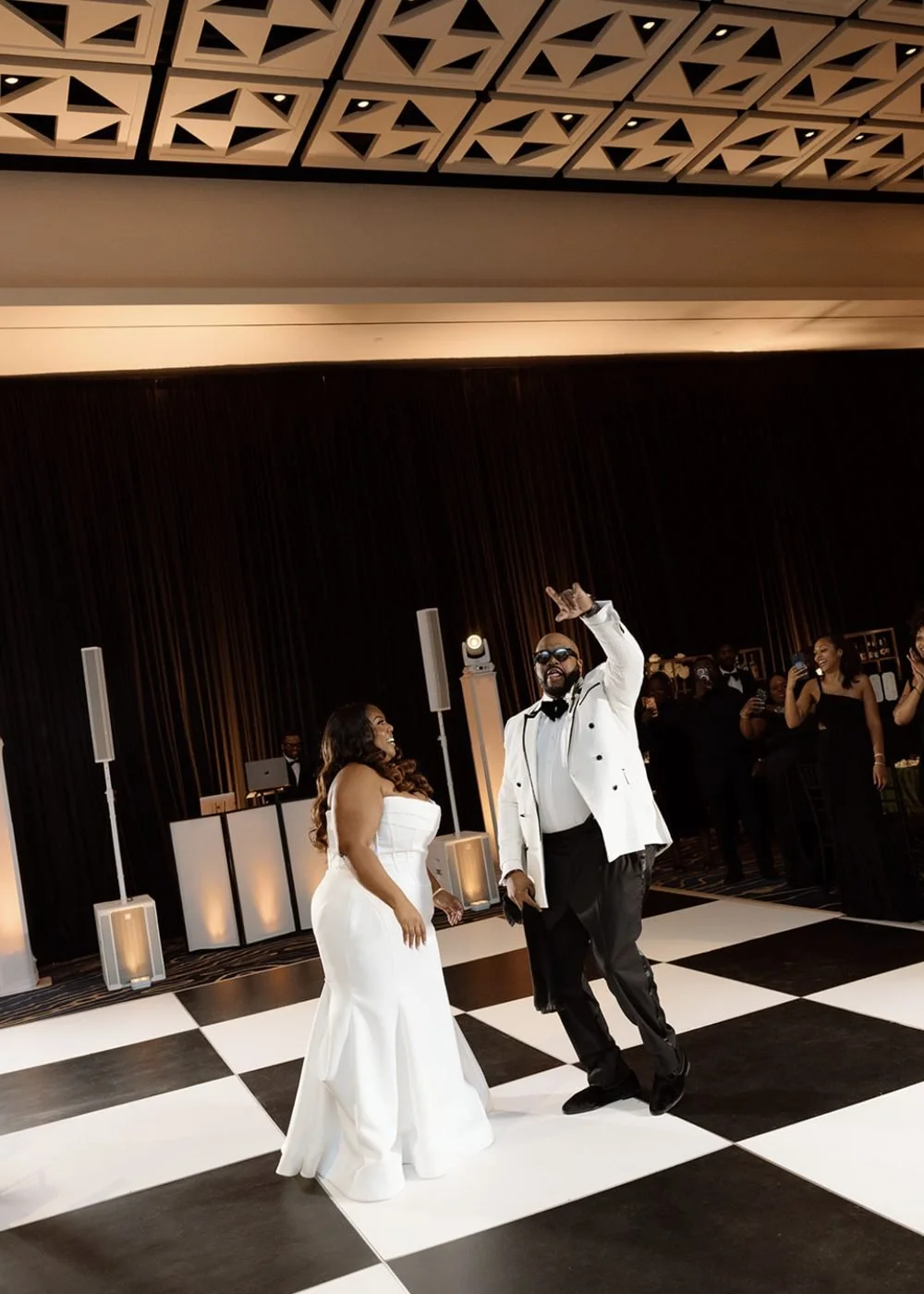
- Two DJs can charge the same and deliver completely different nights. The quote tells you the least.
- Ask what the price covers: every space that needs sound, setup and strike, travel, and the planning before the day.
- The person on the mic sets the tone of your reception. Hosting deserves as much weight as the music.
- Venue logistics, booth placement, and a rain plan decide whether the night starts on time.
- A DJ with a real process sets deadlines for music and timelines, so the last two weeks are calm.
Jump to: The quote · The mic · Music and culture · Your venue · The weeks before · The scorecard · Downloads
Most couples compare wedding DJs the same way: a few quotes, a quick look at the hourly rate, and a gut call on who seems nice on the phone. I get it. I'm planning my own wedding right now, and my fiancée has had the same spreadsheet open.
But after leading over a 100+ luxury weddings across the DMV, New Jersey, New York City, Miami, and internationally, I can tell you the quote is the least revealing number in the conversation. Two DJs can charge the same amount and deliver completely different nights. The difference shows up in the details nobody asks about until the day is already happening.
If I were hiring a DJ for my own wedding, here are the five things I'd look into before I invested a dollar.
1. What the quote actually covers
A wedding DJ's price isn't driven by the playlist. It's driven by hours on site, how many spaces need sound, who sets up and strikes the gear, how far the team travels, and how much planning happens before the day.
Those costs don't shrink when the hours do. A truck, a crew, and the weeks of prep cost the same whether the party runs four hours or six. So when one quote comes in far below the others, something got cut. Usually it's the prep, the crew, or the second sound system for your ceremony.
- Does this cover ceremony, cocktail hour, and reception, with separate sound for each space?
- Who sets up and breaks down, and how long does it take compared to my venue's load-in window?
- What travel or production fees come on top of the quoted number?
2. Who holds the mic
The person on the mic is the voice of your wedding. A great host welcomes every side of the room, gets every name right, protects your ten minutes to actually eat dinner, and fills the gaps when the timeline slips. Name pronunciations are usually missing from planner documents, and respect for a name is where luxury shows.
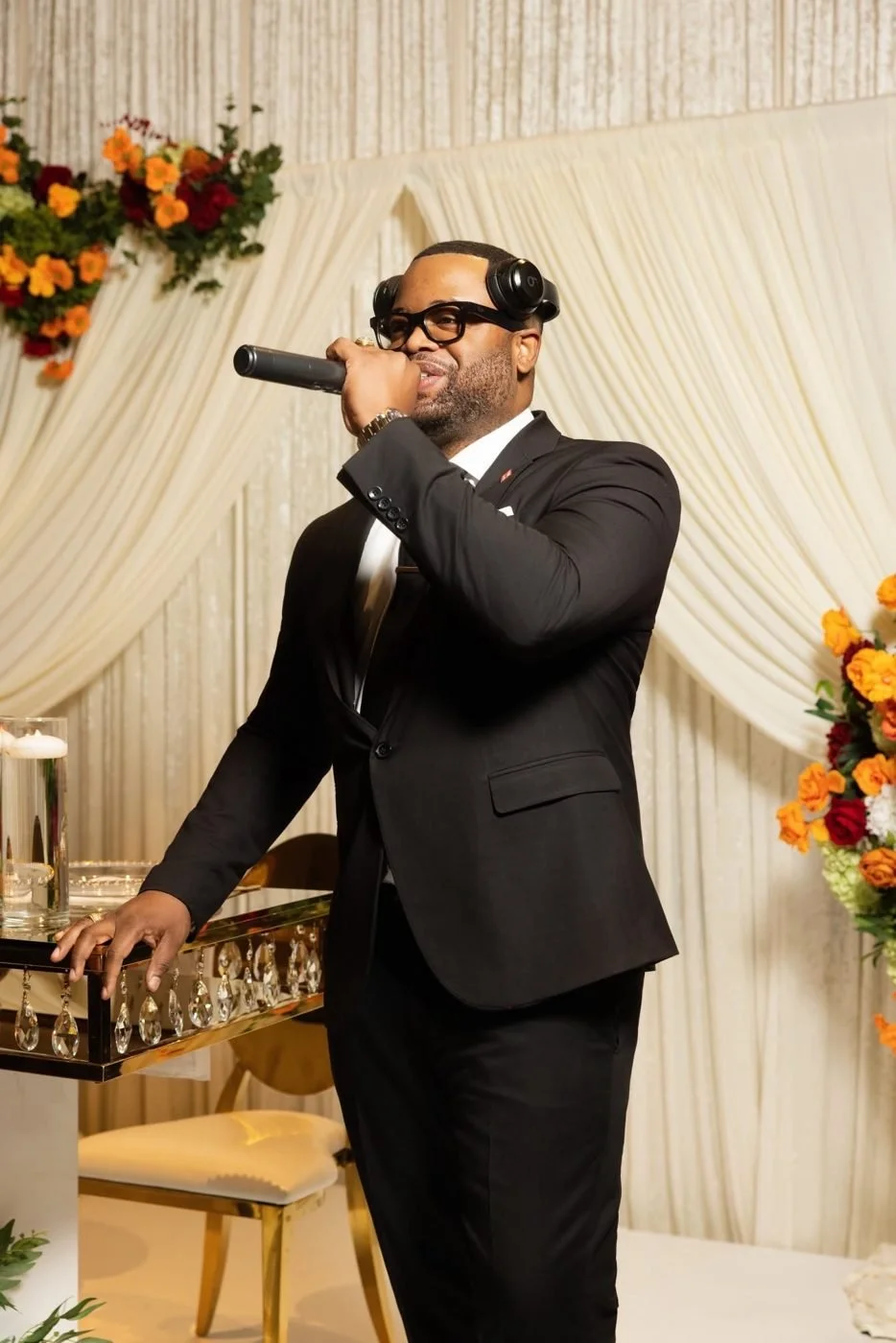
What you don't want is the MC who roasts your guests. Warm, controlled interaction beats a comedy set every time.
If your DJ and MC are separate people, ask how they'll coordinate. If they're the same person, that person already knows your timeline, your music, and the cultures you and your partner bring to the room, so the words and the songs land together.
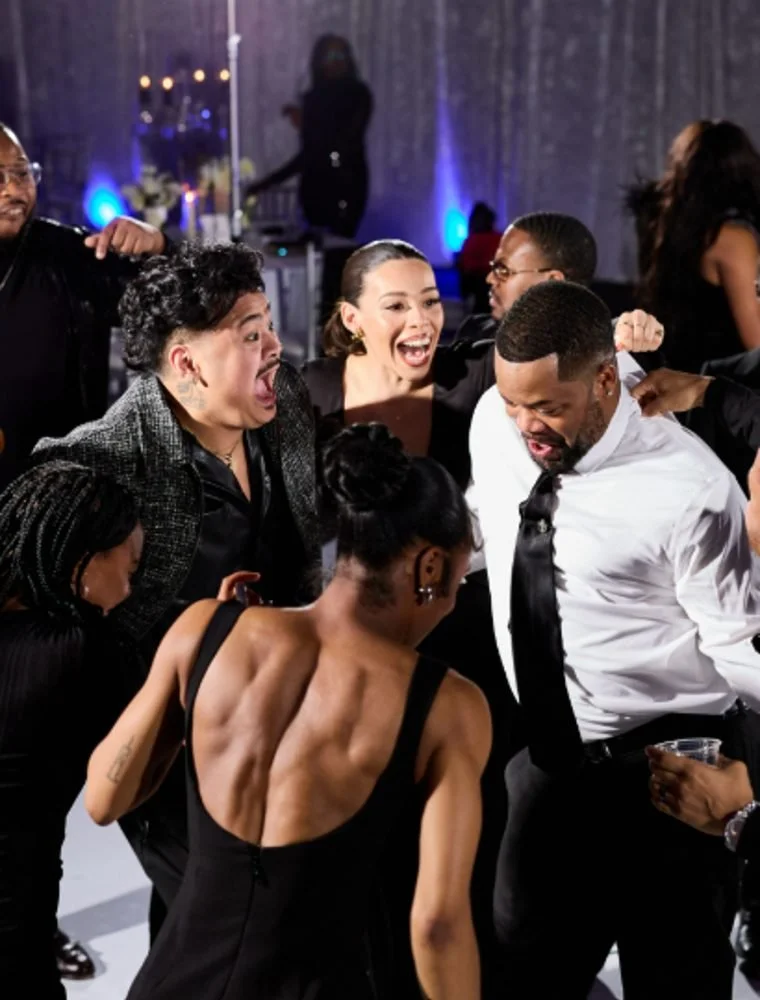
Great hosting is how every generation in the room ends up on the same dance floor, from your college friends to your grandparents. One of our couples put it this way:
DJ ELEKTRK's hosting was incredible. I appreciate how he even engaged my grandmother and got her on the dancefloor with some of her favorite songs. He created a night she'll never forget.
Ask them:
- Can you host, or do I need to hire a separate MC?
- How do you collect and practice name pronunciations?
- What do you say when the reception starts late?
3. How they plan your music and your cultural moments
There are two ways a DJ can get your music wrong. One is ignoring your input. The other is playing only your list, word for word, all night.
The best approach sits in the middle. You choose the three to five moments that matter most and the songs you never want to hear. Your DJ curates the rest, reading the room in real time. Past about an hour and twenty minutes of uninterrupted party, that judgment is what keeps the floor full.
If two cultures or families are coming together, ask how the DJ learns both. I research every culture in the room and ask parents and cousins for their "banger lists." Then I play for the 80% of the room first, and bring in the deeper cuts when the timing is right.
Ask them:
- What tools do you give us to plan our music?
- How do you learn what a packed dance floor looks like for both of our families?
- Can you create custom edits for our entrances and special dances?
4. How they handle your venue
The most beautiful venues are often the hardest to load into. Long hallways, steps with no ramp, outlets across the room, and lawns that turn to mud. Each one costs setup time, and setup time is what decides whether your night starts on schedule.
Where the DJ booth goes matters just as much. A DJ in the corner, away from the dance floor, can't see your guests or hear your vows clearly. You might as well blindfold them. A good DJ will ask for your floor plan and help decide where the booth goes.
Planning anything outdoors? Ask about the rain call. Ours is made the morning of, using the forecast at the venue, not where we live.
Curious what a difficult load-in actually looks like? Here's one of our setups:
Ask them:
- Will you review our floor plan and the path from parking to each space?
- Where do you recommend the booth goes, and why?
- What's your plan if it rains, whether or not it's in the forecast?
5. What happens in the weeks before
The wedding day is the final performance. The real work happens in the months before it.
The most common thing that breaks a reception is a timeline that arrives the day before. Entrances get mispronounced, cues get missed, and the DJ is guessing. A DJ with a real planning process will set clear checkpoints and hold you to them. With us, music locks four weeks out, your detailed timeline is due three weeks out, and our final review call happens once both are in.
That structure isn't red tape. It's what lets you stop managing details in your last two weeks and actually enjoy them.
Ask them:
- How many planning meetings do we get, and when?
- When do you need our music and timeline finalized?
- How do you work with our planner, or help us if we don't have one?
Planners, feel free to share this guide or any section of it with your couples.
The bottom line
When you're comparing DJs, you aren't really comparing playlists or hourly rates. You're comparing judgment, preparation, and how well one team orchestrates what your guests hear, see, and feel from the first song to the last.
Ask these questions of every DJ you're considering, including us. The right answers will make your decision for you.
We take on a limited number of weddings each year so every couple gets that level of attention. If our approach sounds like what you want for your night, we'd love to hear about it. Tell us about your wedding.
Are you a planner? We'd love to be part of your team. Email us about working together
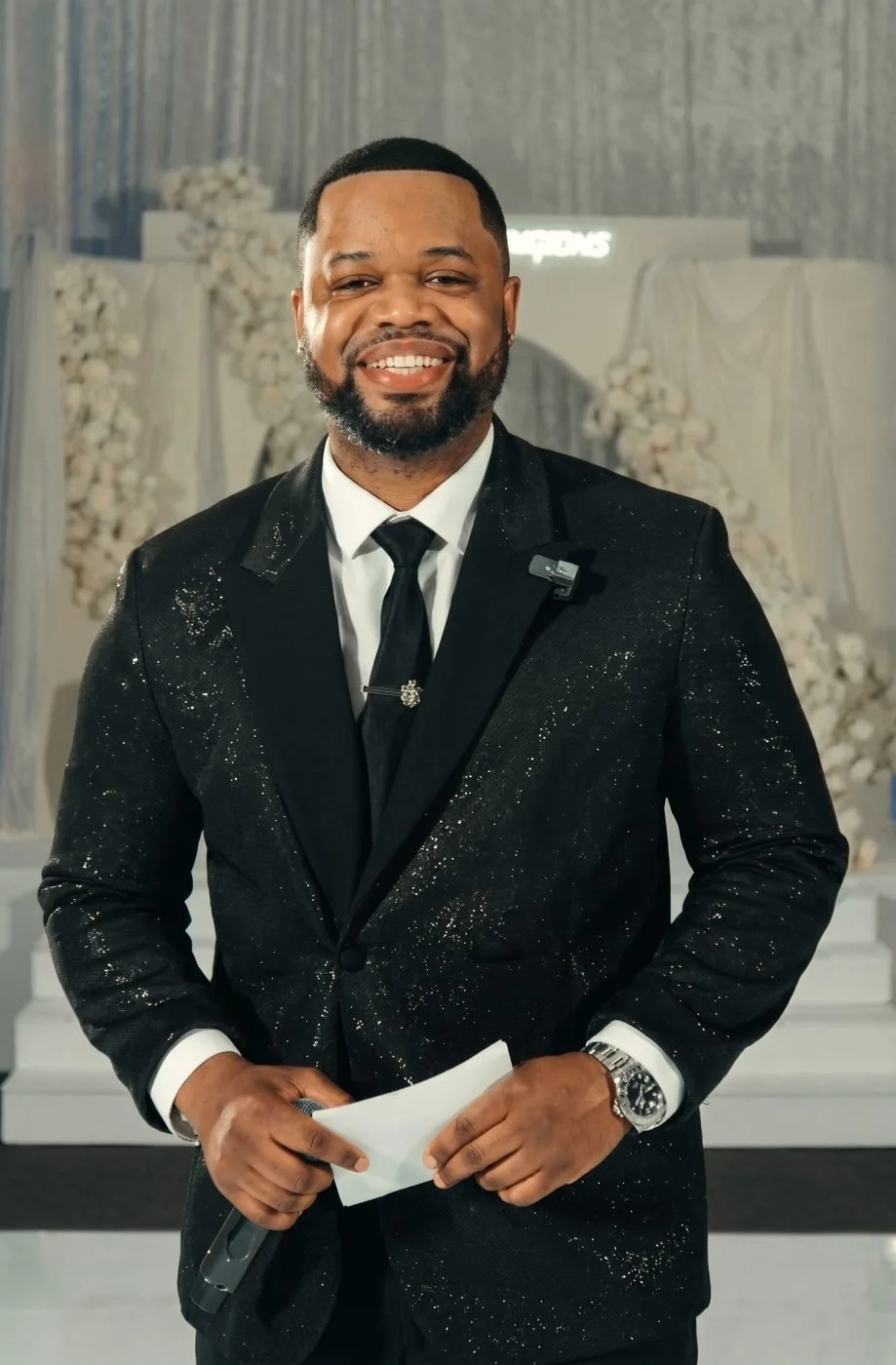
Nick Sneed, MBA, is DJ ELEKTRK, founder of ELEKTRK ENTERTAINMENT, an upscale wedding and event entertainment company serving Washington DC, Maryland, and Virginia.